
35 hours of professional development

Understanding Scars: Advanced Online Theory

Deepen Your Knowledge of Scar Formation, Treatment, and Recovery

This comprehensive online theory course provides advanced insights into the complexities of scar formation and treatment. Through structured, self-paced learning, you’ll develop the theoretical foundation needed to critically evaluate and plan effective scar therapy interventions.

Gain An Advanced Understanding

Understand Fascial Impact

Learn how scars affect the entire fascial system, enabling you to treat root causes rather than just symptoms.

Support Post-Surgery Recovery

Learn effective scar therapy techniques that complement post-surgical healing and rehabilitation.

Safety in practice

Identifying complications and knowing when to refer to a medical professional is an important skill when working with people after injury or surgery.

Support Patient Recovery

Address Emotional Well-being

Develop a holistic approach that helps clients build confidence and acceptance throughout their recovery journey.

Empower your clients

Scar self-care is essential to help empower clients to work with you on their recovery. You will learn tips and techniques to give your clients confidence they can make a difference and help them learn to love their scars!

Learn more about this course

Patient care after surgery or trauma: Supporting recovery

  • Patient Care
  • Patient History and Treatment Planning
  • Emotions, Pain and Daily Living (after a trauma)
  • Recommendations and Interventions for manual therapy or exercise with considerations for the points raised in this chapter


Plus Bonus Interviews:

  • Scar Research with leading expert Peter Moortgat, Oscare
  • A look at Chronic Pain and Trauma with Dr Ute Liersch Interview
  • Compression Scar Products with Marianne Dunne from Jobskin
  • Phases of wound healing
  • Cellular activity in wound healing
  • Acute versus chronic wound healing
  • Recommendations and Interventions for manual therapy or exercise with considerations for the points raised in this chapter.


Plus Bonus Interviews:

  • Chronic Wound Healing and Innovative Technology with Tami Siewinski
  • LymphaTouch Negative Pressure Tool with Dominic Smith
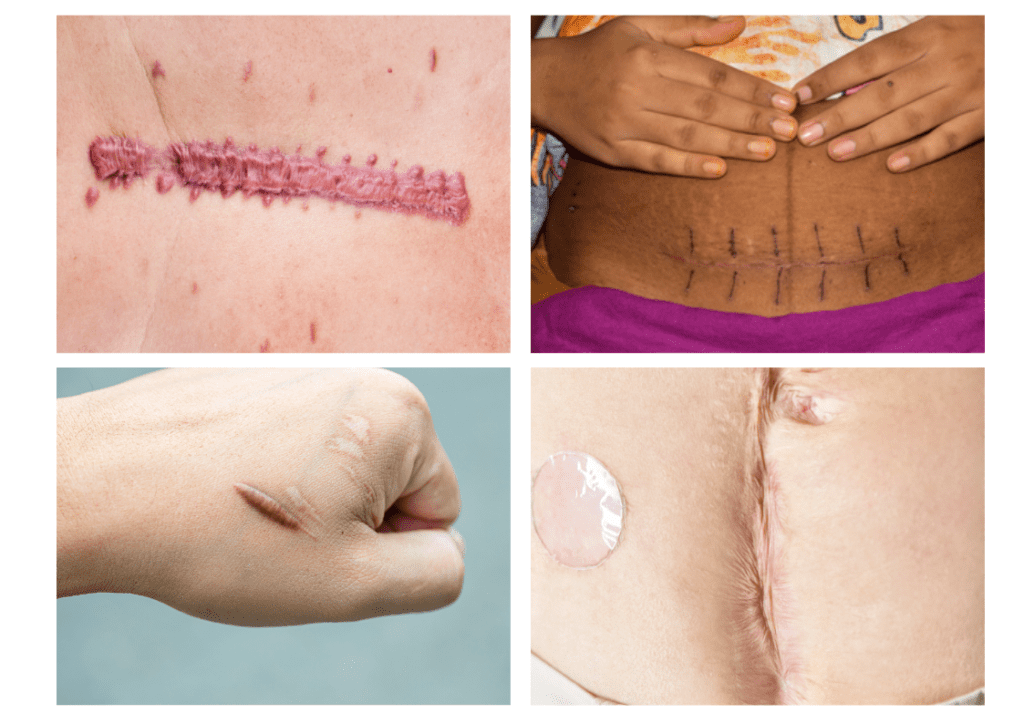
  • Scar classifications
  • Burns
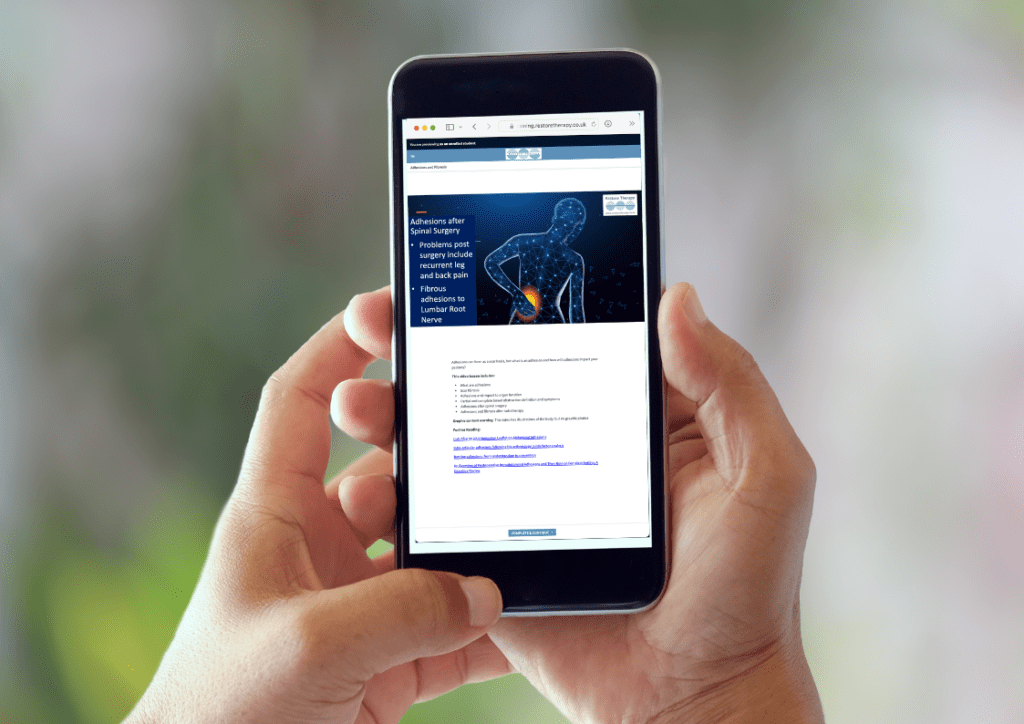
  • Adhesions and fibrosis
  • Assessment and treatment approaches
  • Recommendations and Interventions for manual therapy or exercise with considerations for the points raised in this chapter.


Plus Bonus Interviews:

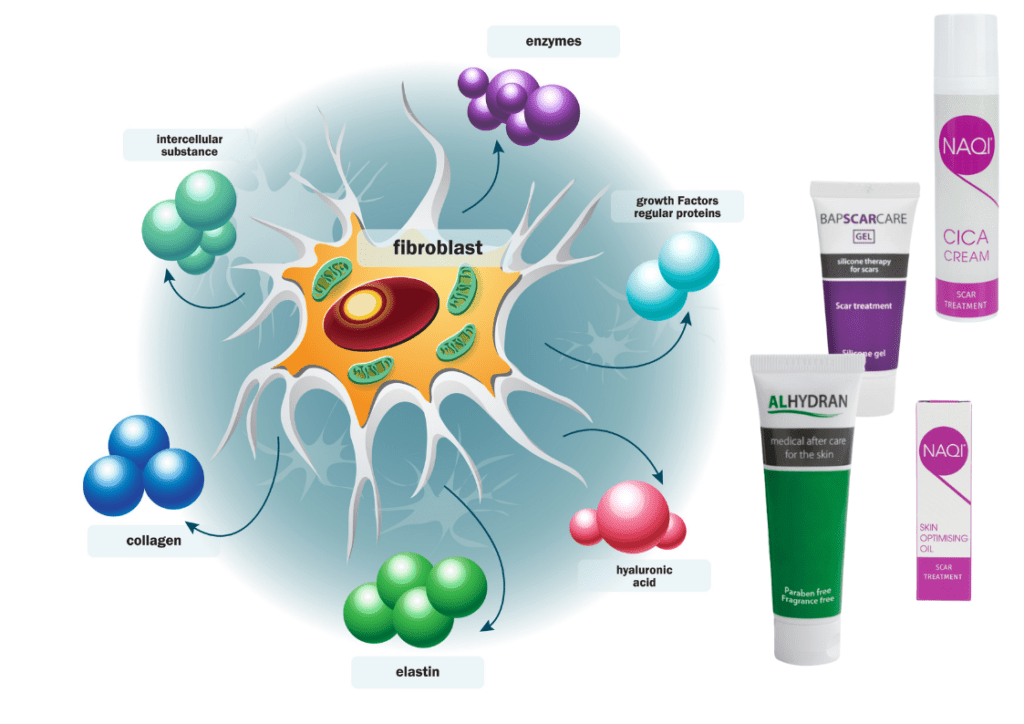
  • Scar Care Products (silicone and creams) with Evert Nugteren and Linda Schep, Bap Medical
  • Pressure Therapy products with Adam Withey from Juzo UK
  • Deep Oscillation Device with Julie Soroczyn, PhysioPod UK and Christine Talbot, MLD Therapist
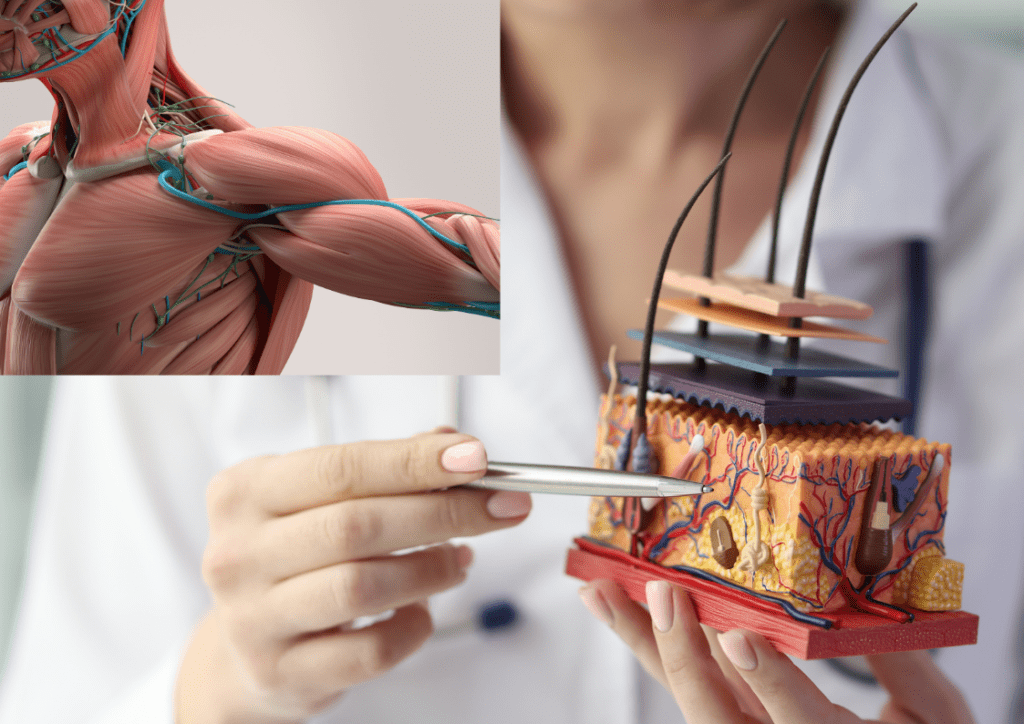
  • Epidermis
  • Dermis
  • Hypodermis
  • Fascia part 1
  • Fascia part 2
  • Sensory function
  • Recommendations and Interventions for manual therapy or exercise with considerations for the points raised in this chapter.


Plus bonus Interviews

  • Skin Camouflage with Vanessa Jane Davies
  • Fascia with Julian Baker, Functional Fascia
  • Muscles, tendons and ligaments
  • Muscle injury and repair
  • Surgical repair techniques
  • Recommendations and Interventions for manual therapy or exercise with considerations for the points raised in this chapter.

Plus bonus Interviews

  • Kinesiology Taping with Daniel Lawrence, Rock Tape and Practical Tips from Hannah Poulton
  • IASTM with Daniel Lawrence, Rock Tape
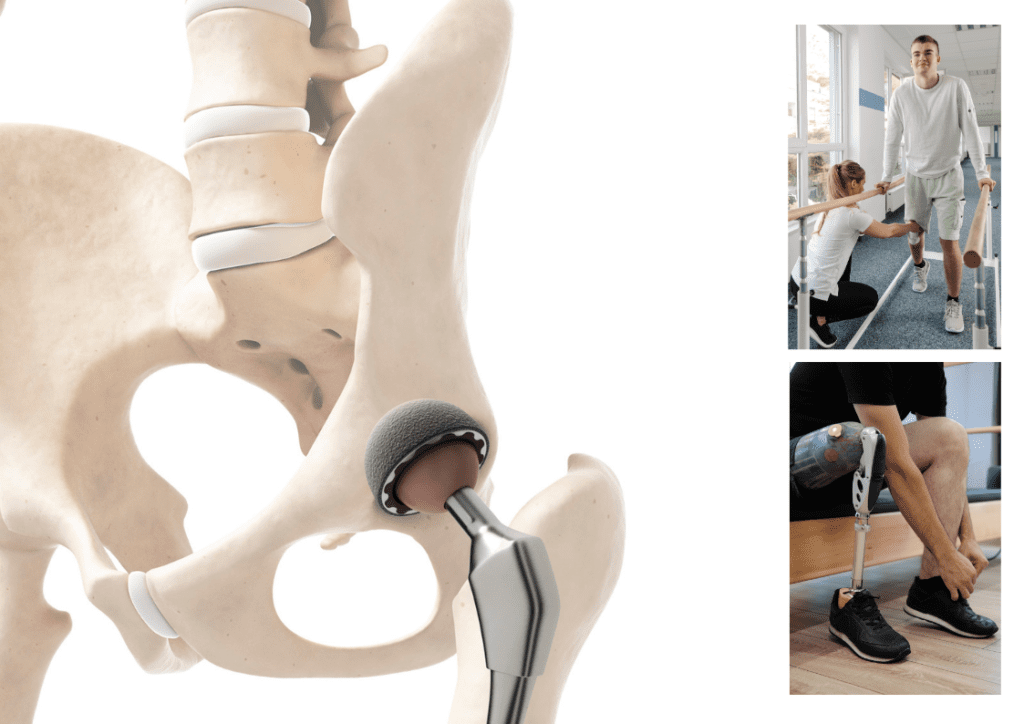
  • Skeletal system common complications
  • Skeletal system trauma
  • Recommendations and Interventions for manual therapy or exercise with considerations for the points raised in this chapter.


Plus bonus interviews

  • A Personal Account of  Injury and Recovery
  • Infection and wound healing
  • Serious infection after trauma and surgery
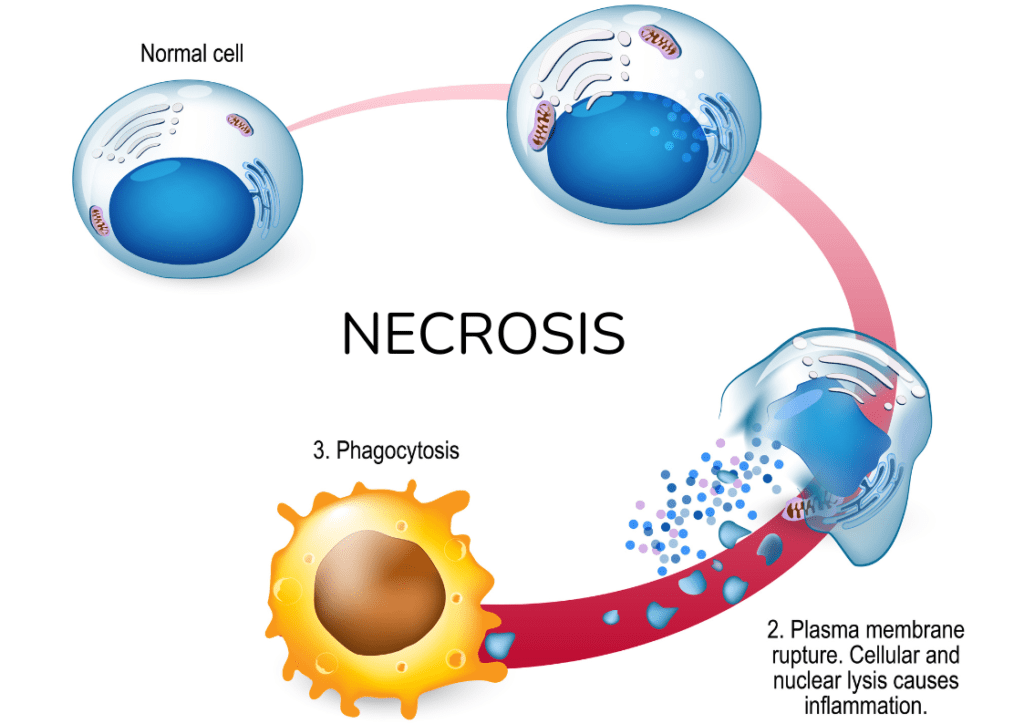
  • Infection and necrosis
  • Recommendations and Interventions for manual therapy or exercise with considerations for the points raised in this chapter.


Plus bonus interviews

  • Manuka Honey in Wound Care with Susan Thompson-Craig, Medihoney
  • Red Light Therapy with Ruth Milner, Danetre Health Products

This course is delivered in video lessons, each lesson starting with question to test your existing knowledge. To make these easy to fit around your busy lifestyle lesson videos are kept to under 15 minutes so you can fit study into a lunch break or between appointments. Every lesson includes an accompanying pdf document for you to refer to after the course. When you finish a lesson we check you remember the key points with a few multiple choice quiz questions each time.

Professional development certificate for 35 hours (excludes bonus content) will be automatically generated on completion. You have 12 months to complete the training and can extend beyond this with a monthly subscription. 

Enjoy many bonus interviews from industry experts from emotional and rehabilitation aspects of trauma and surgery in interviews with:
  • Peter Moortgat from Oscare in Belgium, who leads a world class facility for multi-disciplinary scar research, training and care.  www.scaracademy.be
  • Dr Ute Liersch, Practitioner Psychologist and chronic pain specialist
  • Julian Baker from Functional Anatomy provides an insight into the body from the perspective of a connective tissue expert
 
We also interview leading companies who explain the benefits of products for use in the treatment of wounds and scars including:
 
The interviews add depth and richness to the learning experience and allow us to explore topics in more detail with leading global experts.
 
One learner commented on the interview with Dr Ute Liersch “What a fascinating interview – it is moving, informative, profound and rich. Love it!  I will watch it again!”

What you will learn from this course

This course provides a deep foundation of knowledge and is ideal for any exercise professional or manual therapist working with people after a surgery or trauma. Explore the impact of scar tissue on systems of the body. Examine common surgeries and injuries and consider strategies for manual treatment and rehabilitation exercise, outlining areas for caution with scar tissue expert Emma Holly with expert contribution from a qualified physiotherapist.

On completion of this online theory course you should be able to:

  1. Describe the injury and repair process, outlining how movement and manual therapy can support a smooth recovery
  2. Recognise contributing factors during healing, which can lead to the development of problematic scar and adhesion formation
  3. Develop exercise or manual therapy strategies to support and promote recovery after a trauma or surgery  
  4. Recommend simple patient self-care to promote optimum scarring
  5. Identify different considerations for manual therapy treatment or exercise, when trauma or surgery has impacted different systems of the body

Who is this course suitable for?

This course delivers in-depth theory to professionals in manual therapy, exercise and other healthcare roles. We highly recommend therapists completing our in-person courses will additionally complete this course to provide more detailed knowledge to get the best results and avoid injury.

  • Physiotherapist
  • Massage Therapist
  • Occupational Therapist
  • Lymphoedema Therapist
  • Osteopath
  • Bowen Therapist
  • Aromatherapist
  • Reflexologist
  • Chiropractor
  • Rehabilitation Specialist
  • Yoga Instructor
  • Pilates Instructor
  • Personal Fitness Instructor
  • Clinical Nurse Specialist

This list is not exclusive, if you work in a professional capacity in manual therapy or exercise with people who have scar tissue this course will be beneficial.

This course will not enable you to work with people after injury or surgery recovery if you do not hold an existing professional qualification in therapy, exercise or healthcare. Manual scar massage techniques are not taught on this course. We recommend if you would like to provide manual scar therapy this course should be taken in conjunction with the Scar Therapy Practitioner, Oncology Scar Specialist or Caesarean Scar Specialist.

Who we have trained